

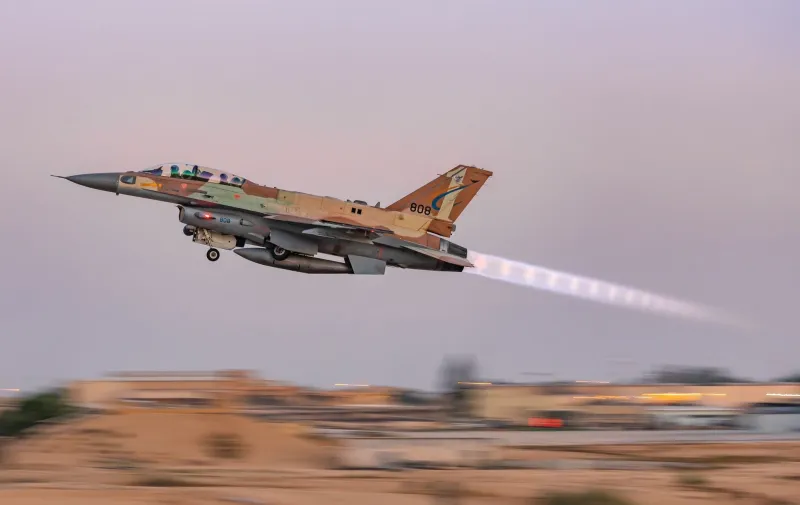
The secret that protected pilots in the skies of Iran
While Israeli Air Force pilots took off toward Tehran, dozens of Elbit Systems engineers in central Israel were fighting a war of their own against radars, surface-to-air missiles, and threats that had not even existed the day before. A rare visit to the classified site where the electronic warfare system was developed - one that helped aircraft return safely from the most dangerous missions of the war. “Every sortie you hear about, every aircraft that returns you carry it with you.”
by Eitam Almadon | N12 News
While Israeli Air Force pilots took off toward Tehran, dozens of Elbit Systems engineers in central Israel were fighting a war of their own - against radars, surface-to-air missiles, and threats that had not even existed the day before. A rare visit to the classified site where the electronic warfare system was developed - one that helped aircraft return safely from the most dangerous missions of the war. “Every sortie you hear about, every aircraft that returns - you carry it with you.”
Behind the closed doors of Elbit Systems Elisra’s R&D center in central Israel, one sentence is repeated again and again: “All our aircraft returned safely to base.” For years, this was the almost automatic closing line in IDF Spokesperson announcements after successful strikes. A few dry words, usually lost among reports of targets destroyed, often taken for granted. Elsewhere, it might sound like a cliché-but here, it sounds almost like a job definition.
Leading us through the corridors is Y., VP of Airborne Electronic Warfare at Elisra, part of Elbit Systems’ ISTAR & EW Division. He is not a man of interviews—and usually has no reason to be. In fact, this is the first time Elisra has allowed a journalist into its campus in central Israel, where some of Israel’s most advanced and sensitive electronic warfare systems are developed. Their purpose: to disrupt air defense systems, deceive radars, blind anti-aircraft batteries, and cause incoming missiles to detonate harmlessly.
A race against time
Y. himself assumed his role on October 8, 2023 - the day after Hamas’s deadly attack. Before that, he served for 25 years in the Navy, having joined the naval officers’ course in 1997, and most recently held the position of Head of Combat Systems. He had planned a slower transition into the defense industry - but reality had other plans.
“It was a very turbulent entry into the role,” he smiles. Since then, almost without pause, he and his teams have been operating in a constant state of emergency.
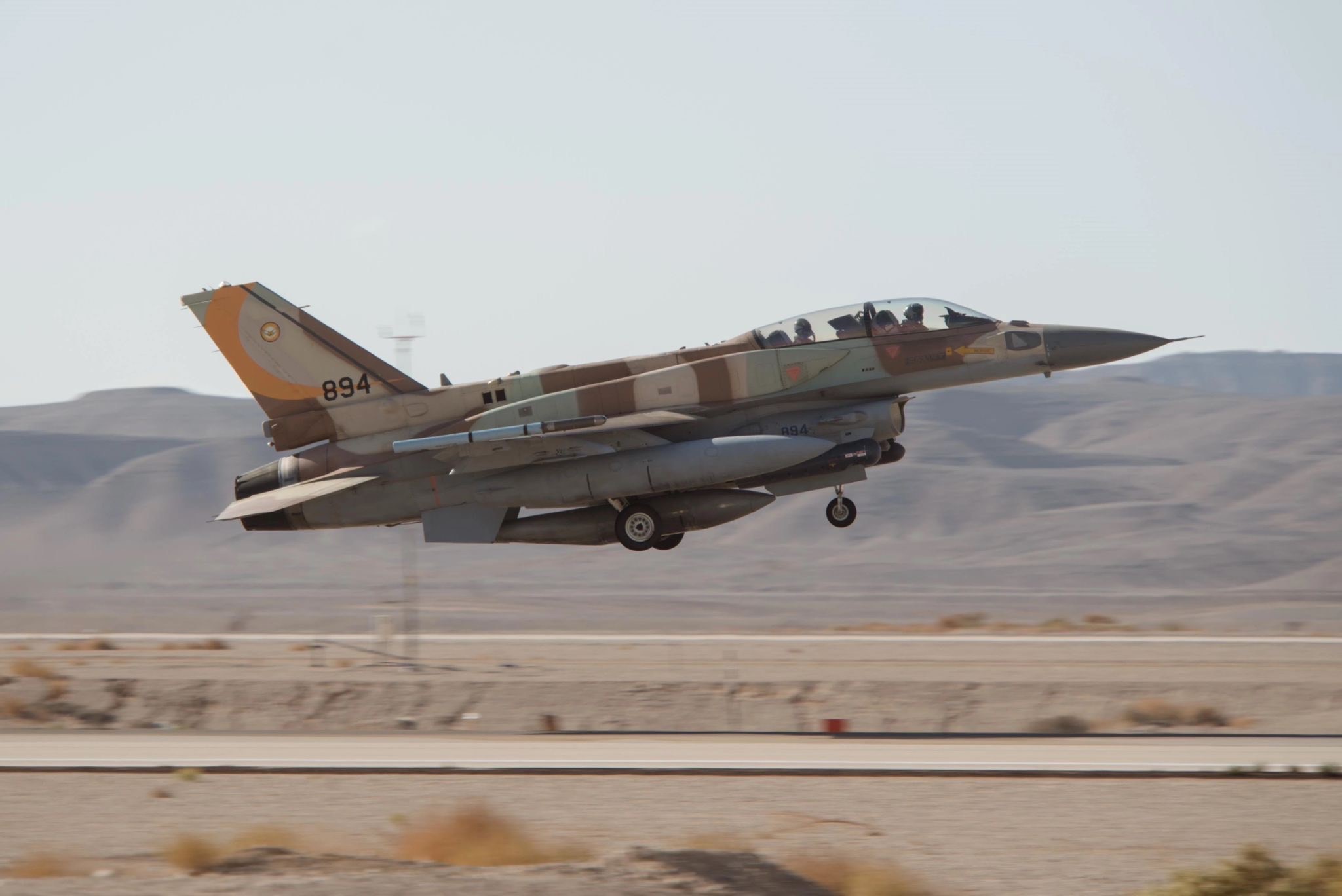
During Operation “Lion’s Roar,” while Israeli Air Force fighter jets flew thousands of kilometers to Iran, struck targets, and returned repeatedly - the engineers here barely moved from their screens. Some did not go home for days; others spent weekends in the labs.
“Aircraft took off, came back, recorded data - we saw what happened, improved it, and they went out again,” Y. describes in an interview with N12 magazine. “We called it PFM (Pre-Flight Mission) Overnight. They returned, we debriefed, understood what happened, provided a solution-and sometimes by the very next sortie, it was already in the air.”
Behind this term lies an engineering race against time: aircraft returned with recordings and mission data, engineers analyzed them, identified changes in air defense arrays and emerging threats, updated the electronic warfare systems and sometimes, by the next mission, the aircraft were already flying with an improved version of their protection suite.
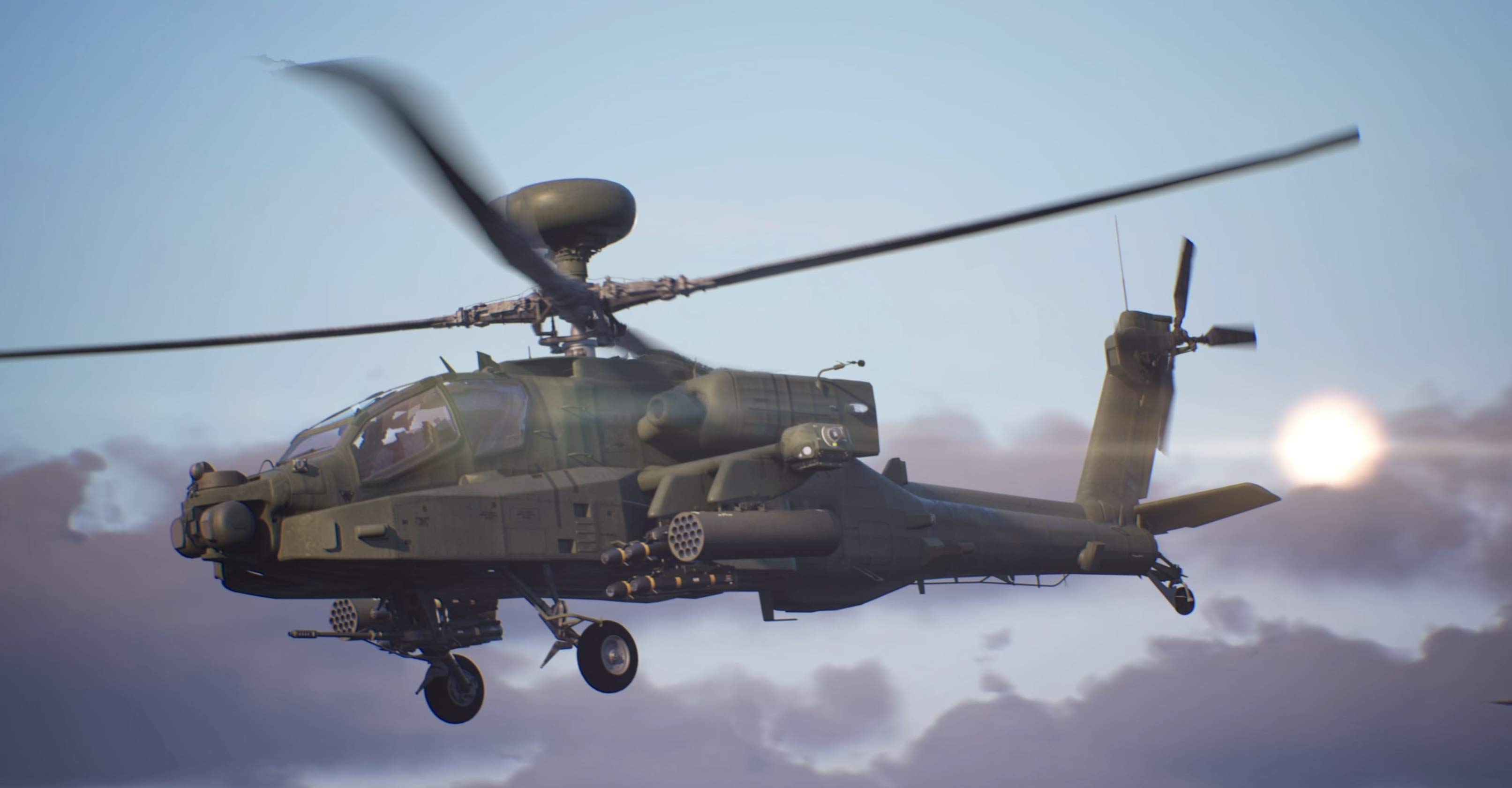
For Elisra’s teams, this was not the first time systems were updated during active combat. During Operation “Breaking Dawn” last June, when the Air Force carried out dozens of strikes on nuclear facilities and ballistic missile sites, aircraft were equipped with the company’s self-protection suites providing a critical additional layer of defense.
The operational capability proven then, combined with the ability to update systems in near real time during Operation “Lion’s Roar,” were among the reasons the project was awarded the Israel Defense Prize days ago. The Ministry of Defense described it broadly as “the development of electronic warfare systems to preserve the Air Force’s air superiority” but behind that wording lies one of the most complex and sensitive defensive systems operating today on Israeli fighter jets.
A war you cannot see
Electronic warfare is one of the most classified fields in the defense world. If a missile is a weapon you can see, electronic warfare is an invisible war. It takes place in frequencies, radio waves, radar signals, transmissions, and electromagnetic activity.
Instead of striking the enemy confuses him. Instead of destroying a radar it makes it see things that aren’t there, or fail to see what is right in front of it.
Simply put: it causes the enemy to believe it understands the situation when in reality, it is looking at a false picture.
For decades, Israel has been considered a global leader in this domain. Lessons from the Yom Kippur War, when the Air Force paid a heavy price against Egyptian and Syrian air defense systems drove massive investment in this field.
But what has changed in recent years is not only capability but speed. Where development and updates once took months, today the process is tightly integrated with the Air Force.
“The better you understand what the Air Force needs, the more precisely you can give it exactly that. Not roughly. Not almost. Exactly,” says Y.
This partnership became closer than ever during the war. Pilots, Air Force officers, and senior defense officials arrived at the labs, observed the work up close, and provided direct feedback.
“This created a very healthy ecosystem,” he explains. “Industry works in full partnership with the Ministry of Defense, MAFAT, and the Air Force, everyone feeding each other to deliver the best possible product.”
Fitting 30 systems into one box
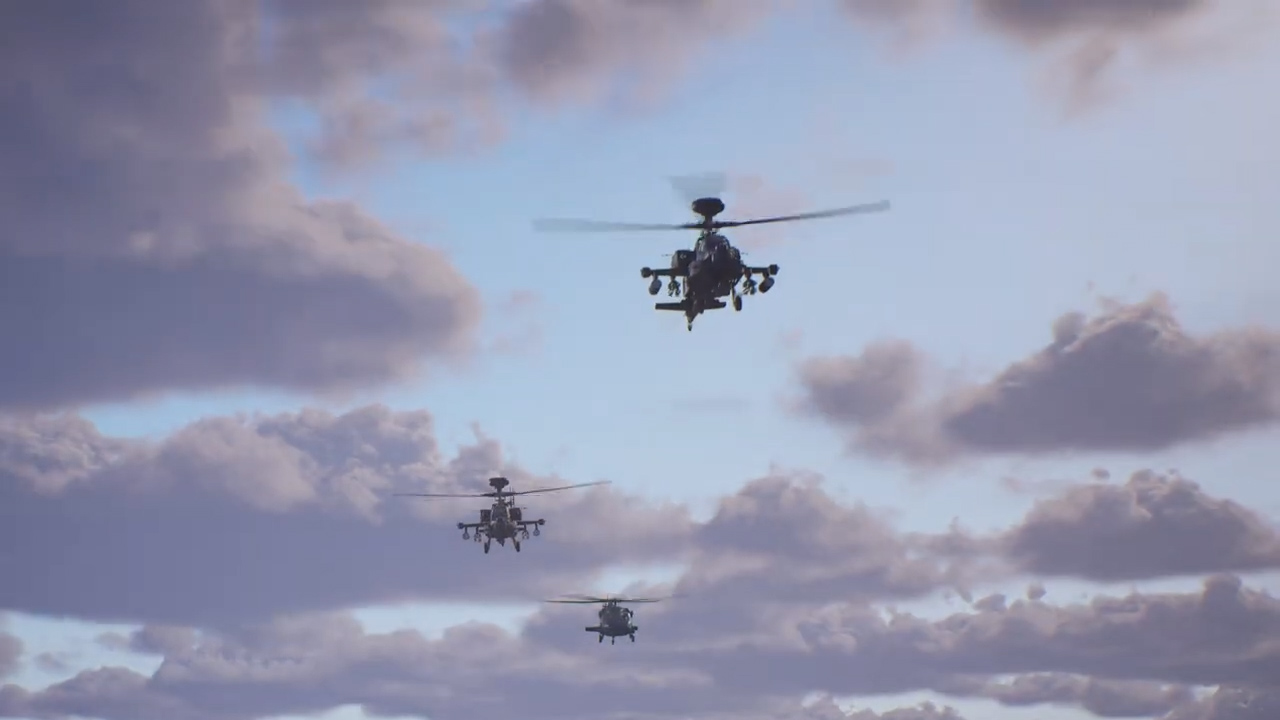
The unofficial term is a “self-protection suite” for fighter aircraft. In practice, it is a complex system composed of multiple defense layers working together: electronic warfare systems, electro-optical missile warning systems, and countermeasure dispensers such as chaff and flares.
Yet, according to company engineers, what sets the Israeli system apart is its relative simplicity.
“The big achievement is that this is one system that does many things,” says Y. “Elsewhere, you often see distributed systems. Here, there is one very powerful, very intelligent core that manages everything.”
Engineers at Elbit Systems Elisra tackled one of the most complex challenges in electronic warfare: miniaturization. Dozens of sensors, antennas, receivers, transmitters, and processing components were compressed into a single compact system.
In a fighter jet, every centimeter matters - and every additional kilogram comes at the expense of performance, range, or payload. When 20–30 components are packed into a box the size of an average computer drive, it represents a true breakthrough.
While details remain classified, these systems are designed to make even the most heavily defended environments far more penetrable.
In some cases, they do this through sophisticated radar and missile deception, creating false situational pictures or disrupting detection capabilities. The ultimate goal remains unchanged: enable pilots to complete their mission in hostile environments - and return home safely.
“The place where the magic happens”
We enter the combat lab—one of the most sensitive areas. Behind glass partitions are avionics components from various fighter aircraft in service.
At first glance, they look like metal boxes and cables. For those here, they are the aircraft themselves.
New system versions are tested here. Future threats are simulated here. Every update is verified before reaching operational aircraft.
“This is where all the magic happens,” says one team member.
The missile that does not yet exist
The greatest challenge for electronic warfare developers is paradoxical: they must defend against threats that do not yet exist.
“When you develop an EW system,” says Y., “it must also handle the next missile which doesn’t even exist at the time.”
Therefore, systems are designed for rapid upgrades and adaptation.
“The system today must handle everything,” he says. “No matter where you deploy it.”
“Every aircraft that returns you carry it with you”
Operational details remain classified. But one thing is clear: the campaign against Iran was unlike anything the Air Force had experienced. Flights spanned thousands of kilometers, in unfamiliar environments with some of the densest and most advanced air defense systems in the world.
“When the aircraft suddenly started arriving there in large numbers, they came back with information,” says Y. “After the first sortie, we already understood more and kept improving.” For him, every piece of data was an opportunity but above all, he remembers the responsibility.
“Every sortie you hear about, every aircraft that returns, you carry it with you. From managers to the last integrator. That’s our responsibility.”
And then came the calls from pilots.
“They called to say thank you. They said they felt someone had their back.”
For engineers who spend most of their time behind screens, that may have been the clearest proof that their work reaches all the way to the cockpit.
Or, as they say in the corridors: All our aircraft returned safely to base.
This article was written by Eitam Almadon for N12 News. We received permission to translate it. For the original article in Hebrew, Click here.